
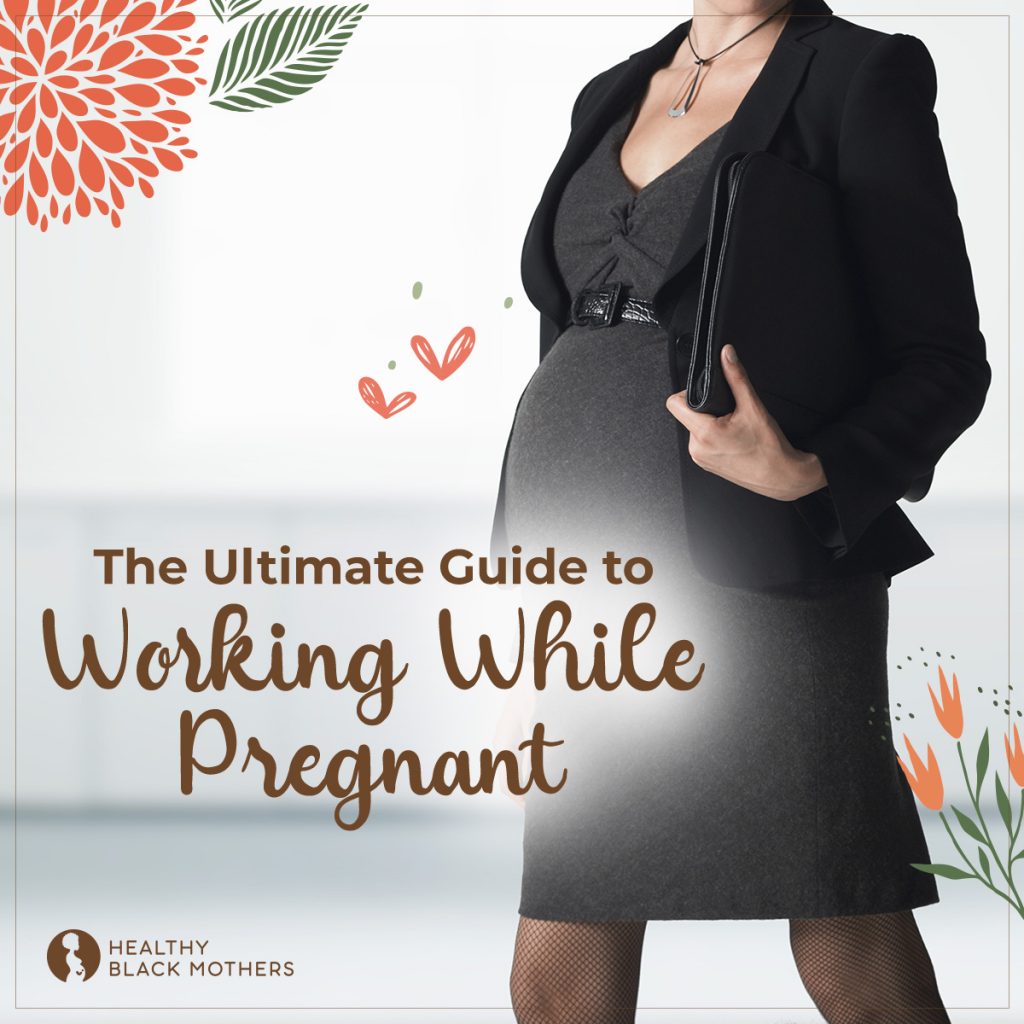
Working while pregnant, it is important that you know your rights. Even 4 decades after the passing of the federal law that protects pregnant women from discrimination in the workplace, this discrimination still exists. There are laws that affect you as a working and pregnant woman that are related to family leave, disability and your civil rights.
Laws aside, you want to ensure you maintain a healthy work, life balance to ensure your health and the health of your baby. There are also times when those pregnancy symptoms may make it hard for you to go through your work day. You may need additional accommodations or even to be assigned another job task while pregnant. The bottom line is that there are a lot of things to consider for working pregnant women. You have to advocate for yourself in the workplace, and we are here to guide you through it all.
Balancing your Work and Prenatal Care Schedule
Hammering Out the Details of Leave
Workplace plans for Pregnant and New Moms
Workplace Rights During Pregnancy
Getting More Paid Days During Maternity Leave
Returning to Work After Childbirth
Work and Family Considerations
Dealing with Nausea at Work
Nauseas is one of the most common symptoms of early pregnancy. For some women it is so bad that they actually lose weight in their 1st trimester. So if you have it, chances are you won’t be able to get rid of it completely but there are a number of office friendly strategies you can use to help you keep your stomach settled while at work.
- Pack two washcloths or a pack of wet wipes. When you are feeling nauseated the wet washcloth can help to soothe you. You may need the wipes for clean-ups.
- Pack things to keep your palate clear of lingering tastes. This could include a toothbrush and toothpaste as well as mouthwash, gum and mints. This will help if you vomit regularly. You may also need to have a change of shirt or outfit in your car just in case you have a really rough day.
- Ginger is your best friend. Add real ginger ale to your diet or you can try ginger tea, ginger candies or some lemon. These can really help to soothe nausea.
- Stay away from the lunch room if possible. If certain smells trigger your nausea you may need to eat at your desk or may have to take your lunch outside if the weather permits. You can also eat in your car as well if that is an option.
Staying Comfortable at Work
As your body changes you will have to do different things to help stay comfortable. Here are a couple tips for you:
- Dress Comfortably – Choose clothing that is comfortable and loose and choose low heeled shoes. If you are pregnant during winter you can wear leggings with work appropriate tops, a cozy cardigan and boots. For summer months you want to keep your clothes cool. If your company allows office casual you can’t go wrong there.
- Change Work Duties – If your regular job tasks cannot be practiced during pregnancy you will want to discuss the changing of your duties with your boss. In your third trimester you really want to spend less time on your feet and you want to avoid travel.
- Stay off Your Feet – You want to as much as possible ensure that you don’t spend too much time on your feet. When you have to stand, try to keep one foot bent at the knee to take some of the pressure of your back. Switch the bent knee periodically to decrease fatigue.
- Put Your Feet Up – This can help to reduce swelling in your feet. When at work you can try using a box or a wastebasket under your desk. If this is not possible at your desk or cubicle, if you can get your feet up during your lunch break you should do that.
- Take Breaks -If you have been sitting down for a while you may want to take a walk. Likewise, if you have been standing for a while you should get some rest for your feet by sitting down.
- Use the restroom as quickly as you get the urge. As the baby gets heavier you will have to go to the bathroom more frequently. You don’t want to hold it as this can lead to UTIs and inflammation of one or both kidneys.
- Stretch – Do stretching exercises for your neck, back and legs. These can help you to relax and can help to relieve pressure on your back. Pillows and cushions will also be your friends for alleviating soreness and pain.
Balancing your Work and Prenatal Care Schedule
Initially your practitioner will schedule monthly appointments. During the last couple weeks of pregnancy your appointment frequency will be ramped up. This can be hard if you have a demanding job and have to keep up with deadlines, meetings and quotas. Here are a couple tips to help you schedule your prenatal care with priority while still keeping your work obligations.
- Be Smart – when it comes to scheduling it is not just the appointment with your practitioner that you will have to schedule. You will also have to schedule appointments for blood tests and other procedures if necessary. If you can get these done within your lunch break that would be ideal but if you can’t you may have to try to schedule them before or after work.
- Keep a Log – Let your boss know when your appointments are so that if you are running a bit late coming in or coming back after a lunch date they will know if it is related to your appointment and don’t accuse you of slacking off.
- Request a Note – If something comes up and you need to make an appointment out of the blue you can request a note from your practitioner to provide to your boss. This can help give your employer or HR department peace of mind that you actually are not off wasting time when you could be at work.
How to Cope with Stress
Pregnancy has its ups and downs, this minute you are riddled with fatigue and the next you are feeling crushed by fatigue. You will sometimes find yourself overwhelmingly happy and other times on the brink of tears for little to no reason. You will need to keep these emotions under control while at work, especially the tears. Here are some tips to help you with that.
- Get Adequate Rest – When you are well rested, it is easier to keep everything in perspective. When pregnant you can find it harder to get a full night’s sleep so you may need to schedule your sleep and stick to your sleep schedule.
- Don’t Do Too Much – now is not the time to take on extra tasks and volunteer for projects unless it is absolutely necessary.
- Organize – You want to stay as organized as possible because the “pregnancy brain” is known for making women forgetful. Even if you are usually focused and don’t need to organize, it is something you should start doing while you are pregnant. Make lists, and make reminders which you can place in your phone.
- Accept all the help you can get. Yes you are a strong independent woman, but when you are not feeling so well, it is okay to take any assistance that you are getting. It is even okay to ask for help.
- Breathe – Take time to slow down during the day and relax. Even if just for 10 minutes find time to close your eyes and just be. You can also listen to music if that relaxes you.
- Get some fresh air, this can really help when you are feeling emotionally overwhelmed. When things at work start to get overwhelming, take a walk, take a quick bathroom break or just catch your breath. Have some kind of private moment because honey, those are going to be gone very soon.
There are going to be days in your first and your third trimester when you can barely lift your head from your pillow. You may have a pile of stuff on your desk with deadlines for each one, but you have to take a deep breath and give it rest sometimes. If you need extra help, don’t be afraid to tell your boss and don’t feel bad. You are not incompetent and you are not lazy, you are making a human being and that is magic.
When/How to Tell Your Boss
When you decide to tell everyone you are pregnant, you want to start with your boss. You don’t want him to hear it at the water cooler or something. Set a meeting to see them in person, let them know you are pregnant and let them know the due date for your baby. Stay positive and spare the personal details.
You should have a general idea of the maternity policy of your company when you go in for this little meeting but you don’t want to set any specific plans right away. Your boss is probably more interested in whether your productivity will be affected or not.
Hammering Out the Details of Leave
When you are a month out from your due date you can give your boss a precise date as to when you want to stop working as well as when you will return to work. These dates can be tentative dates as we all know childbirth doesn’t follow a schedule. Try to plan for the maximum possible time off.
A couple weeks before your expected due date you will want to make a list of all your tasks. You may also make a list of suggestions as to which coworkers you think may be best for handling the different tasks. Let your boss know if there is anything you would like to be alerted about while gone. Just remember not to promise too much.
Returning on a Flexi Schedule
Many companies nowadays have parental perks such as compressed work weeks, telecommuting and flexible shifts. Find out if your company is willing to offer any of these. You can discuss with your boss your needs for returning and let them know that you really just want a smooth transition back into work. If you are a high performing employee you may be in a good position to bargain with your boss. You can go in with the focus being on how your flexible schedule can help the company cut costs.
There are some organizations that allow women to take their babies to work. Parenting in the Workplace Institute can help companies manage such a program successfully, you may even be able to suggest and help implement it.
Workplace plans for Pregnant and New Moms
Find out if your company has plans for pregnant women or any plans for women after they return from maternity leave.
Confirm Plans in Writing
When you and your boss have agreed to your leave terms, you will want to follow up with a written plan that provides a summary of the details. This can be given physically or it can be sent in an email. If sending via email, remember to specifically include “As we’ve discussed…”
Workplace Rights During Pregnancy
It is important to know your rights while pregnant. First of all, your employer has to treat you fairly. Know your legal rights and have this information on hand so you can refer to it easily. And remember, you cannot be fired because you are pregnant. Your employer must treat your pregnancy like any other medication condition or disability once you are employed in a company with 15 employees or more. Your employer is acting illegally if they discriminate against you because you are pregnant or if you are suffering from pregnancy related conditions. There may even be local and state laws that protect you from discrimination while pregnant.
Your employer cannot deny you a job or promotion because you are pregnant or suffering from pregnancy related conditions as long as you are able to perform the major functions of your job task. In the same breath it is important to note that your employee is not legally required to try and make your job easier if you are pregnant. As long as you are able to do your job you cannot be forced to take leave.
When you are pregnant, you are allowed the same benefits of other employees with medical conditions. You are entitled to the same leave, medical benefits and temporary disability insurance that persons with other conditions are offered.
As it relates to your maternity leave, you can take some of it before your baby is due. The Family and Medical Leave Act allows you to take some of your unpaid maternity leave while you are still pregnant. If you become physically unable to work due to your pregnancy or complications arising from your pregnancy, your job is protected for a total of 12 weeks including time you take off before and after birth.
Your spouse is covered if you have an insurance plan that provides spousal coverage. Employers cannot deny coverage for pregnancy care to male employees with spouses that are pregnant and are covered by comprehensive health insurance. If you will be a single mother, you cannot be denied the standard benefits and if you are not married but have your partner supporting your pregnancy, they are allowed the same benefits of married employees once your insurance provides spousal coverage.
Balancing Work and Pregnancy
Pregnancy can be very challenging and comes with its own set of discomforts, but this cannot be used as a reason to slack off at work. Here are a couple tips to help you through it all.
Getting More Paid Days During Maternity Leave
There are a number of companies that offer paid maternity leave, but the truth is that the majority do not. You may be able to negotiate though, and you should at least try.
Most women don’t think about their company’s maternity leave policy until they are pregnant. Some companies, the family friendly ones and larger companies allow employees six weeks of paid maternity leave. But many companies do not offer this. You may be able to negotiate with your employer if your company is among the latter.
Schedule a meeting with your boss and let them know you would like to talk about your maternity leave during this meeting. Go into the meeting with knowledge of your policy as well as what you bring to table so you are at an advantage to steer the conversation in the most favorable direction for you.
Returning to Work After Childbirth
Returning to work after your maternity leave will have you considering a lot of things. You will have to consider childcare, backup childcare, coordinating schedules with your partner if you can’t afford childcare and plans for pumping breast milk if you want your baby to be exclusively breastfed.
Even in the best circumstances, returning to work is challenging for most women after their maternity leave comes to an end.
When it’s time to go back to work you may have conflicting feelings. You may feel overwhelmed with the choice of going back to work and leaving your little ones at home. If you are sleep deprived this can make it even worse. Lack of sleep will affect you mentally and you may not notice the symptoms right away. These tend to show up as a lack of motivation and lack of concentration. Being tired, really makes everything worse. But if you know what to expect those first couple of weeks back at work you can have a better transition. Here are some of the emotions you may have and how you can cope with them.
Fear - The Last Weeks of Maternity Leave
In the last few weeks of your maternity leave you will find yourself experiencing fear. You may be worried about what you are returning to and how you will adapt. You may be worrying about a shift in your role since your absence and you may even have doubts that you will be able to manage your job and family demands. Your biggest fear may be leaving your baby behind for someone else to take care of.
Work and Family Considerations
You want to talk to your partner before the baby comes. Talk about how you both will balance your career and your family. You can discuss your choices such as returning to work or continuing to stay at home. You want to ensure that you and your partner or on the same page so this doesn’t cause any strain on the relationship now or later on.
Balance is Key
If you think you know for sure that you want to be a stay at home mom or you want to keep your career, remain open-minded about it. Many women have set ideas of who they will be after childbirth only to find themselves changing their minds after the baby arrives. The period of motherhood is such a special time for both you and your baby, you can’t always predict how you will feel about going back to work.
If you want to continue in the corporate world you will need to find care for your child especially if both you and your spouse have jobs that are not flexible. Costs for child care can be very high, so much so, one parent staying home may be more cost effective. Explore the cost of the child care you would need in your area and sit down and hash it out with our spouse. You don’t have to make any concrete decisions just yet but you may want to at least have a plan.
Practicality
Even if you choose to stay at home with your baby you may still need part-time child care. This can be handy when you want to have a date night or want to run errands without a baby. Consider what will work for you and your family and make preparations for this ahead of time. You may be able to get help from family members and friends. If you are going that route, ensure they are okay with and can offer this. If one person can indicate when they are available that would be good so for example if they are available every Friday you could try and plan your activities for Fridays.
Work Arrangements
If returning to work is a must for your family dynamic, ensure you lay out detailed plans with your employer prior to going off on maternity leave. If you have complications that may affect your previous plans, be sure to inform your boss as soon as you can. Get a note from your doctor to support this as well.
Find out if you may be accommodated with a part time position or if you may be allowed to work from home a couple days per week. Ideally this should be discussed earlier with your employer but as we know pregnancy and childbirth can be unpredictable so sometimes at the end new arrangements may need to be made.
Conclusion
It can be very daunting to work while you are pregnant, especially in the first trimester when you are battling with fatigue and morning sickness. Then there is the added pressure of ensuring you are not being discriminated against in the workplace. There is a lot at stake. Show your company that you are an asset and ensure you know your rights and that your bosses are aware that you know your rights. Whatever your choices are, you want your experience after the birth of your baby to be as stress free as possible for you, your baby and your entire family.

Cris
