Share on facebook
Facebook
Share on twitter
Twitter
Share on linkedin
LinkedIn
Share on pinterest
Pinterest
Table of Contents
    Add a header to begin generating the table of contents
    Scroll to Top

    It is important for pregnant women to have a diet that provides both themselves and their baby with adequate amounts of nutrition. The diet of a pregnant woman will provide the necessary nutrients and energy to enable the proper growth and development of the baby. 

    The body goes through a lot of changes during pregnancy and you need to ensure that it stays healthy for and during these changes. One way to ensure a healthy pregnancy is by eating well. The diet of a pregnant woman should be balanced to include foods from all food groups. This includes the correct proportions of protein, carbohydrates, and healthy fats. The majority of your diet should come from plants such as fruits and vegetables.  

    If you are pregnant and not getting adequate nutrition you can end up with malnutrition. Your baby may still get all the nutrients they need but at a price of muscle and fat loss to you. If you start losing muscle mass you will get weaker which will make the pregnancy all the more challenging.

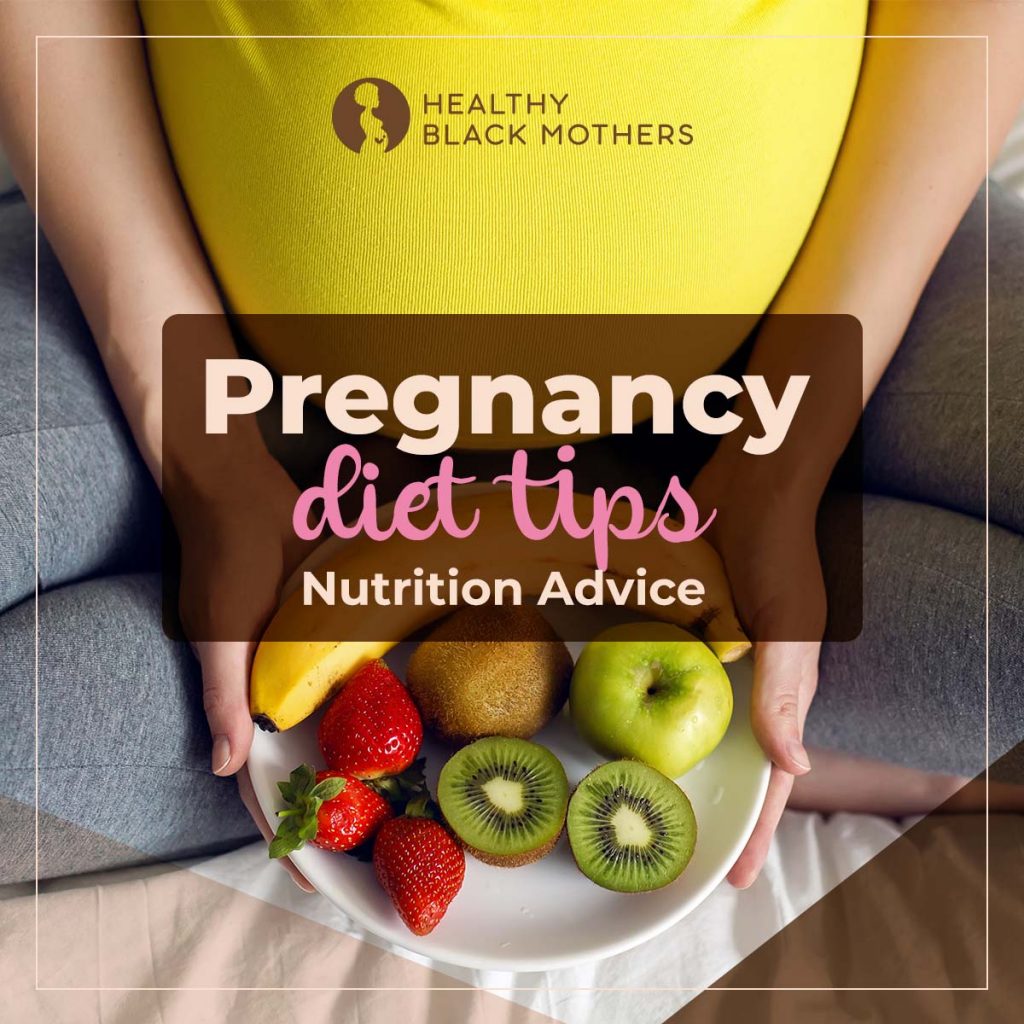
    Fast Facts on Eating During Pregnancy

    • When pregnant, a woman’s calorie intake will go up by a couple of hundred per day.
    • Weight gain is expected and healthy weight gain is different from one woman to the next.
    • Blood volume increases during pregnancy requiring an increase in iron intake.

    What is the Best Food to eat During Pregnancy?

    • Dairy Products – These are ideal for pregnant women as it meets their increased calcium and protein needs. AS much as possible consume those that include probiotics. 
    • Legumes – These are a great source of fiber, folate and a host of other nutrients. Folate is known to prevent birth defects during pregnancy so it is important that a woman’s intake is adequate. 
    • Sweet potatoes – These are a great source of betacarotene. Vitamin A is needed for the growth and differentiation of your fetus’s growth. 
    • Salmon – this is rich in omega 3 fatty acids which are important to babies’ brain and eye development. Salmon is also a great source of vitamin D. 
    • Whole eggs – eggs are very nutritious foods and a great way to increase your nutrient intake overall. They are rich in choline which is ideal for the health and development of the baby’s brain. 
    • Leafy Greens – these have the most nutrients that a pregnant woman needs. They are also rich in fiber and so they can help treat and prevent constipation. 
    • Fish liver oil – a single tablespoon of this can provide you with all the vitamin A, D and omega 3 fatty acids for the day. If you don’t eat seafood this is a great alternative. 
    • Berries – berries consist of water, vitamin c, carbs, fiber, antioxidants, and vitamins. These are all needed by pregnant women in increased amounts

    What are Pregnancy Superfoods?

    The above foods are often considered pregnancy superfoods.

    Is it Normal to not Want to Eat During Pregnancy?

    During the first trimester when you are suffering from morning sickness you may find that you don’t want to eat anything. This is common as there is an estimated 75% of women who indicate nausea and vomiting that characterize morning sickness. You may also have some food aversions for particular things that you just can’t manage to eat.

    What can I Eat if I Have no Appetite During Pregnancy?

    If you are having problems with eating during pregnancy there are a couple things you can try. Remember that you and baby will need the nutrients. Try to drink plenty of water and eat smaller more frequent meals. Stay away from spicy foods, fatty foods, and foods with a strong smell. Take your prenatal vitamins and try to eat foods that are more nutritionally dense.

    Why do I Wake up Hungry while Pregnant?

    Hunger at night not to be confused with waking up hungry is a symptom of gestational diabetes. You should bring this up with your health care provider.  If you are simply waking up hungry there may be little cause for concern. Try to have a healthy dinner and don’t go to bed hungry.

    Is it OK to go to Bed Hungry while Pregnant?

    It is best to eat something before you go to bed.

    What a Pregnant Woman Should not Eat?

    Pregnant women need to pay careful attention to the foods they are eating to ensure they are not consuming anything that could be potentially dangerous to either themselves or the baby. There are some food items that should be avoided completely and others should be consumed rarely. These include;

    • High-Mercury Fish – this food item should not be consumed more than twice per month. Fishes in this category include mackerel, swordfish, tuna, and shark. 
    • Raw shellfish or fish – These can be contaminated with parasites and bacteria which can be harmful to both the unborn baby and mother. 
    • Undercooked or raw meat – as with the above, these can carry harmful bacteria that can be harmful to mom and baby. 
    • Raw eggs – these are dangerous if they are contaminated with Salmonella. This can lead to an increased risk of stillbirth or premature birth. If you are trying a recipe that calls for raw eggs you are cautioned to use pasteurized eggs instead. 
    • Organ meat  – these are high in Vitamin B12, A , iron, and copper. It is recommended that these foods be restricted to once per week to limit the risk of copper toxicity in pregnant women. 
    • Caffeine – caffeine intake should be limited to below 200 mg per day. This equals less than 3 cups o coffee. High caffeine intake can limit the growth of your baby and cause a low birth weight. 
    • Raw sprouts – these can be contaminated with bacteria so it is best if they are avoided altogether or cooked prior to consumption.

    What happens when a pregnant woman does not eat?

    If you do not eat adequately while pregnant you can become malnourished, begin to lose weight and lose muscle mass. You should be gaining weight when pregnant and both mother and baby need the nutrients provided by a balanced diet. 

    CONCLUSION

    Pregnancy is a challenging time as there are a lot of changes taking place in your body. You know the saying “you’re eating for two” but in reality, you are not. You will need more calories per day during pregnancy and you should fill those with nutrient-dense foods. Eat the right combination of foods to provide a baby with the optimal environment for the best development and to keep your energy levels up so you can cope with the pregnancy. It’s important to eat even when you don’t have an appetite and don’t forget those prenatal vitamins.

    Cris
    Author: Cris

    Leave a Comment

    Your email address will not be published. Required fields are marked *

    Scroll to Top